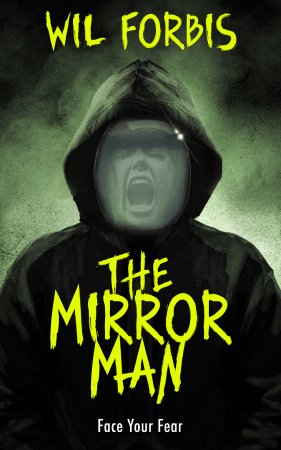
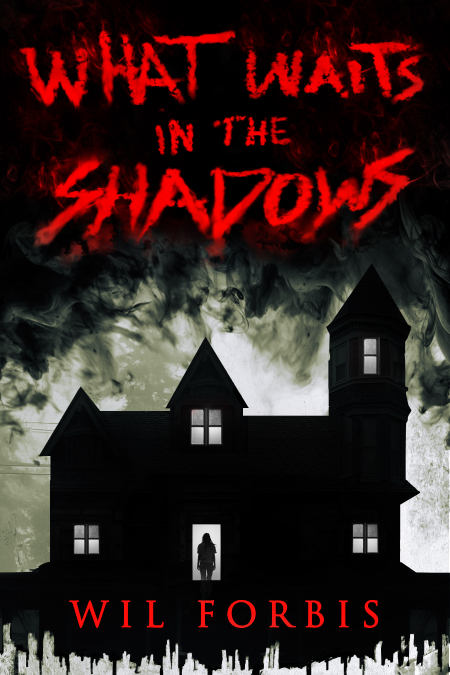
The issue of authors using AI to design a book cover is a hot one.
I should get one thing out in the open right off: My view on AI training and its use in the creative arts is definitely in the minority. Essentially, I think as long as the output isn’t directly reproducing existing works, it’s fine. One of the more recent court cases—Bartz vs. Anthropic—basically agrees with me. (https://www.whitecase.com/insight-alert/two-california-district-judges-rule-using-books-train-ai-fair-use)
But I’m not here to get into that particular argument. Rather, I want to note a thought that the topic prompted in my head.
In discussions about AI-produced book covers, people often say that—in addition to their (purported) ethical flaws—AI produced covers “look like ass.” And, yeah, they often do. Or rather, AI art seems limited to a particular aesthetic or style (sometimes too smooth, sometimes weirdly painterly, often too dark) that we’ve all gotten sick of.
But here’s the thing: non-AI book covers, particularly in the indie horror genre, often look like ass too.
Obviously, this is subjective, as any statement about art is. But I think we all understand that indie creators don’t have a lot of money to spend, so they can’t afford expensive professionals for their covers. They are likely getting graphic artists at the beginnings of their careers.
You see the same thing in old horror movie posters from the 80s and 90s. Many of them look pretty rough.
Look, for example, at the cover to a movie I recently reviewed: X-Ray

Or Delusion:

Or Death Machine:

They’re not terrible, but they ain’t high art. They don’t have the professional sheen of something like Weapons.

Here’s the thing, though: I think this rough style, in book covers and movie posters, is actually sought after, at least by a certain kind of creator.
Why?
Because such covers offer a kind of signal to readers. For books, they are saying you may not get the most pristine prose, the most throughly developed themes, but you will get a willingness to transgress that you will not get in a safe mainstream novel.
In movies, such posters promise blood and boobs (at least in the eighties.)
Basically, a certain amateurishness equals a kind of authenticity. It’s a realness (often in the form of shocking gore and violence) that “prettier” books can’t deliver.
It’s the same way that punk rock zines offered a subversiveness that could not be found in mainstream mags. Or how comic books of the 1950s often had terrible art but shocking tales.
For a certain breed of author, using “lowbrow” art may be the best thing you can do.